
Everything You Need to Know About the Pilates Board


You may have noticed sleek, sliding exercise machines appearing across social media. You may wonder what a Pilates board actually does. This equipment offers a different way to add resistance and control to movement. It combines gliding movement with adjustable resistance.
This article explains how this equipment works. You can learn about gliding mechanics, setup, and movement basics. We will also share beginner-friendly movement examples to help you understand how the equipment is commonly used.
What Is a Pilates Glide Board?
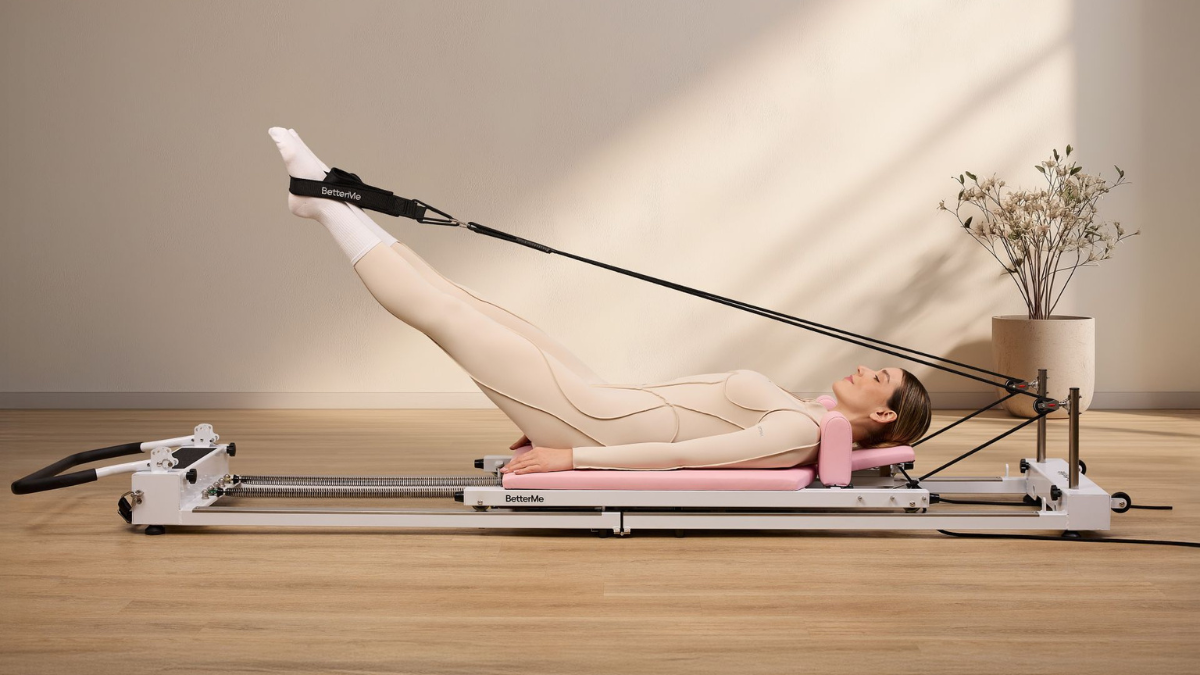
A Pilates board is a piece of exercise equipment with a moving carriage. Depending on the design, people may also refer to similar equipment as a reformer. The carriage rolls back and forth on wheels within a sturdy frame. Springs and straps may provide varying levels of resistance, depending on the model.
It can function as a larger, more structured gliding discs alternative. Instead of using small pads on the floor, you sit or lie on the moving platform. The sliding motion requires balance and control. This setup allows for different exercise positions and resistance settings.
You can often modify the tension based on the exercise, model, and your experience level. Beginners may start with a manageable resistance level while learning the movements.
This tool can be used in a variety of positions. You can use it while lying down, sitting, kneeling, or standing. This variety can help make routines feel less repetitive.
How Gliding Movement Works
Gliding movements create a moving surface that requires control. When you rest your weight on a moving surface, you usually need to control the carriage carefully. This is why many Pilates board exercises emphasize core stabilization rather than speed or momentum. This ongoing adjustment can make the movement feel more demanding through the midsection.
Moving surfaces can change how challenging an exercise feels, especially for balance and control. This controlled movement may support a steady, skill-based practice over time.
Some Pilates board movements include a controlled return phase, where the body manages resistance as the carriage moves back. During this phase, the movement is controlled rather than released.
The equipment allows a wide range of movement patterns. Some movements combine stretching positions with resistance. This combination may help you practice controlled movement through a comfortable range. Depending on the routine and pace, it can also be used for low-impact cardio-style movement without jumping.
Working on a moving platform can require steady attention. Many routines pair breath with movement. This pacing can make the session feel more intentional.
5 Beginner-Friendly Exercises
To review or practice these movement examples, use a Pilates board with a smooth glide and stoppers that work according to the product instructions. You can explore suitable options featured in our collection of Pilates boards. A stable setup can make the routine easier to follow.
| Exercise | Focus Area | Reps |
|---|---|---|
| Footwork | Legs, core | 10–12 |
| Leg Circles | Hips, core | 8–10 per direction |
| The Hundred | Core, breathing | 10 breath cycles |
| Elephant | Back of legs, core | 8–10 |
| Knee Stretches | Thighs, core | 8–10 |
Footwork
Lie flat on your back on the carriage.
Place the balls of your feet on the footbar.
Push the carriage away by extending your legs.
Slowly bend your knees to return to the starting position.
Leg Circles
Lie on your back and place your feet in the straps.
Extend your legs upward toward the ceiling.
Press your legs down and open them slightly outward.
Circle your legs back around to the top with control.
The Hundred
Lie on your back with your legs lifted in a tabletop position.
If comfortable, lift your head and shoulders slightly off the carriage.
Pump your arms up and down by your sides.
Breathe in for five counts and out for five counts.
Elephant
Stand on the carriage facing the footbar.
Place your hands on the footbar and keep the position controlled.
Press the carriage back with controlled lower-body movement.
Pull the carriage forward to return to the starting stance.
Knee Stretches
Kneel on the carriage while facing the footbar.
Keep your hands on the bar and round your back slightly.
Press the carriage away using your lower body.
Pull the carriage back to the start with slow, controlled movement.
A Pilates board offers a versatile way to practice gliding, resistance-based movement. The controlled sliding mechanics require steady pacing and control. Some people enjoy how it combines resistance, stretching positions, and controlled movement.
You can start with basic movements to learn the setup. Focus on your breathing and maintain a steady pace. This slower approach may make sessions feel more controlled and easier to follow.
Consider whether this low-impact format fits your weekly routine, especially if you prefer a more joint-friendly workout than jumping-based routines. It may help you practice control, pacing, and movement awareness over time.